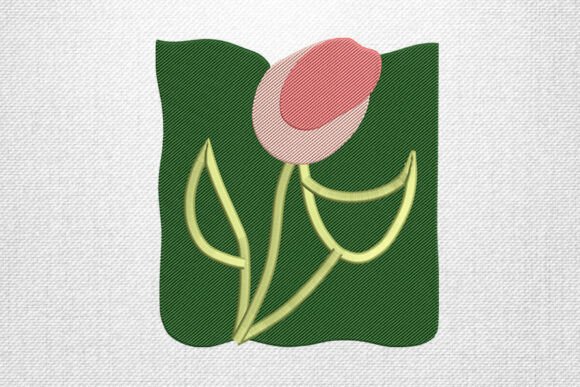
Minimal Tulip Floral Embroidery Art Review
As a professional embroidery designer who has spent years translating digital concepts into tangible thread on fabric, I approach every new machine embroidery design with a critical eye. The goal is never just to create something pretty; it is to solve a branding problem for small business owners, apparel decorators, and handmade brands. Today, I am reviewing the Minimal Tulip Floral Embroidery Art. This design falls under the Single Flowers category and promises a soft pink blossom with green leaves set against a bold backdrop. But does this aesthetic hold up when you move from a screen to a production run of tote bags, staff uniforms, or branded patches? Let’s dive into how this digital embroidery file performs in real-world commercial applications.
First Impressions: Elegance Meets Commercial Viability
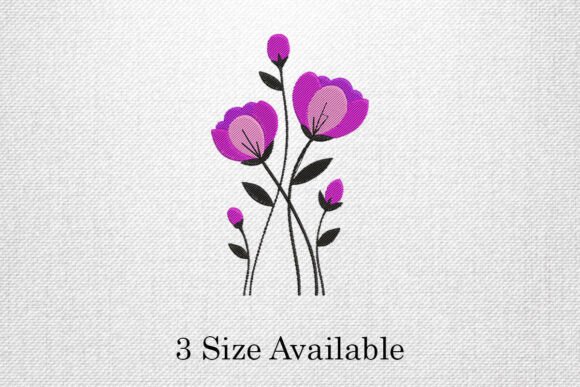
When I first loaded the embroidery file onto my digitizing software, the visual impact was immediate. The description highlights a "simple yet elegant touch," and that is precisely what the design delivers. In the world of brand identity, minimalism often translates to sophistication. Unlike overly complex floral arrangements that can get lost in the stitching process, this tulip design relies on clean lines and distinct shapes. The contrast between the soft pink blossom and the implied bold backdrop suggests a modern, fresh look that appeals to boutique owners, florists, and creative studios alike.
For a small business looking to elevate its small business merch, this design feels premium without being ostentatious. It avoids the cluttered look of amateur digitizing and instead offers a polished aesthetic suitable for high-end customer gifts or event merchandise. The "minimal" aspect is crucial here; it ensures that the design remains legible even when scaled down, which is a common requirement for chest logos or sleeve accents on work shirts.
Real-World Applications for Branded Merchandise
The true test of any commercial embroidery asset is its versatility across different products. Here is how I see the Minimal Tulip Floral Embroidery Art performing in specific business scenarios:
- Embroidered Patches: This design is an excellent candidate for creating custom woven or embroidered patches. Because the tulip shape is distinct, it works beautifully as a standalone patch on denim jackets, backpacks, or tote bags. The bold backdrop mentioned in the description provides a natural border, making it easy to trim and apply without needing additional backing frames.
- Apron Embroidery: For bakeries, cafés, or local florists, placing this design on the bib of an apron creates a welcoming, artisanal vibe. The soft pink and green thread colors stand out well against white or cream-colored cotton canvas, reinforcing a "handmade product" narrative that customers love.
- Cap Embroidery: While caps have curved surfaces that can distort designs, the simplicity of this single flower makes it a strong contender for front-panel placement. However, care must be taken with the scale to ensure the petals do not merge together due to the curvature of the brim.
- Tote Bag Design: As the product description notes, this is perfect for tote bags. A large-scale version of this design centered on a heavy-duty canvas bag serves as a walking billboard for your brand. It adds value to the item, transforming a simple carrier into a desirable fashion accessory.
- Product Labels and Accents: For clothing brands or soap makers, a smaller version of this tulip can serve as a subtle label on the hem of a garment or sewn onto packaging tags. It adds a tactile element that printed labels simply cannot achieve.
Strategic Considerations for Production
While the Minimal Tulip Floral Embroidery Art is visually appealing, experienced designers know that not all designs work on every surface. There are specific areas where caution is required to maintain quality and professionalism.
First, consider stitch density. If you plan to use this on very fine fabrics like silk or lightweight rayon, the density of the tulip petals might cause puckering. Always check the fabric texture before committing to a full run. Second, be wary of using this on dark uniforms without proper adjustment. The "soft pink" might disappear against black or navy blue unless you adjust the thread colors or add a dense satin stitch backing. Third, avoid shrinking the design too much for tiny lettering or micro-patches. While the design is minimal, the definition of the leaves and petals needs space to breathe. If you compress it below a certain size, the details will blur, resulting in a muddy finished product.
Additionally, items that undergo frequent washing, such as staff uniforms or reusable shopping bags, require careful consideration of the stabilizer used. A tear-away stabilizer might not suffice for stretchy knits; a cut-away or mesh stabilizer is often necessary to ensure the embroidery holds its shape over time.
Impact on Brand Identity and Customer Trust
In the competitive landscape of Etsy sellers and local craft businesses, visual consistency is key to building brand identity. Using a cohesive design like the Minimal Tulip Floral Embroidery Art across your design assets—from your website mockups to your physical inventory—signals professionalism. Customers associate high-quality embroidery with durability and attention to detail. When they receive a tote bag or a cap with a crisp, well-executed logo, their trust in your brand increases.
This design specifically enhances the perception of a "handmade" or boutique experience. It moves away from the generic, mass-produced feel of screen printing and offers a tactile luxury. For a pet brand or a creative studio, this floral motif adds a layer of warmth and approachability that can drive buyer engagement. It tells a story of growth, nature, and simplicity, which resonates deeply with modern consumers seeking authentic connections with brands.
Practical Designer Notes for Implementation
Before you purchase or license this digital embroidery file for your business, follow these practical steps to ensure success:
- Test in Black and White: Before ordering thread, print the design in grayscale to check the balance of the negative space and the overall silhouette. This helps identify if the "bold backdrop" is actually effective or if it overwhelms the flower.
- Verify Hoop Size: Check the dimensions of the design against your machine's hoop capabilities. Ensure you have enough room to secure the fabric without distorting the pattern.
- Inspect Spacing and Satin Stitches: Look closely at the transition between the pink petals and green leaves. Ensure there is enough spacing to prevent thread bunching during the sewing process.
- Create a Printable Mockup: Generate a realistic printable mockup showing the design on your specific product (e.g., a linen apron or a wool cap). Share this with clients or stakeholders for approval before cutting any thread.
- Confirm Licensing: Always confirm the commercial licensing terms before using the design for custom apparel or resale items. Ensure you have the right to produce unlimited units for your small business.
- Test on Real Fabric: Never skip the test run. Stitch the design on a scrap piece of the actual fabric you intend to use. This reveals issues with tension, stabilizer choice, and color contrast that are invisible on a screen.
The Minimal Tulip Floral Embroidery Art is a versatile asset that, when applied correctly, can significantly enhance the perceived value of your merchandise. By understanding its strengths and limitations, you can leverage this Embroidery design to create memorable, high-quality products that resonate with your audience. Whether you are outfitting a team or launching a new line of handmade goods, this single flower offers a sophisticated solution for your branding needs.