Bow God is Good Embroidery Design Review
As I set up my table for the upcoming weekend craft fair, the air is already thick with the scent of fresh fabric and the hum of anticipation. My booth needs to tell a story immediately. Shoppers walk by in a blur, so every item on display must stop them in their tracks. Today, I am putting Bow God is Good Embroidery Design - 6 Sizes through its paces before committing to a full production run. This isn't just about stitching a pattern; it is about curating a collection that resonates with the values of my customers while maintaining the high standards expected of a professional handmade product.
First Impressions: Soft Elegance Meets Faith
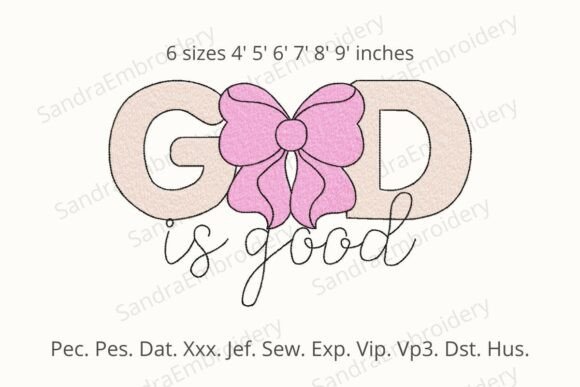
When I first opened the digital file for this machine embroidery design, the aesthetic was clear. It strikes a perfect balance between modern minimalism and traditional farmhouse charm. The phrase "God is Good" is timeless, but the addition of a soft pink bow elevates it from a simple slogan to a decorative statement. In the crowded landscape of religious embroidery, many designs lean heavily into rustic wood textures or bold block letters. This design, however, feels delicate, feminine, and approachable. It has a premium feel that suggests quality craftsmanship rather than mass-produced goods.
For an Etsy seller or boutique maker, this visual language is crucial. It signals warmth and gratitude without being overpowering. The color palette implied by the soft pink bow suggests versatility; it pairs beautifully with neutrals like cream, beige, and sage green, which are staples in current home decor trends. As I review the design assets, I can already envision how this will anchor a cohesive booth display, drawing the eye with its gentle curves and positive message.
Evaluating Product Applications for Maximum Sales
The true test of any embroidery file is how it translates across different mediums. With six sizes available, Bow God is Good Embroidery Design - 6 Sizes offers significant flexibility for creating a tiered product line. Let's break down where this design shines brightest for a craft fair product lineup.
- Tote Bags and Market Bags: A tote bag is often the highest-volume seller at a market. Using one of the larger sizes here creates a focal point. The bow adds a pop of color that stands out against canvas or linen. When a customer carries this bag, it becomes a mobile advertisement for your shop, reinforcing the brand consistency of your handmade products.
- Kitchen Textiles: Tea towel embroidery and apron embroidery are perennial favorites. The sentiment fits perfectly in a kitchen setting. However, I recommend using a medium size for towels to ensure the lettering remains legible against the woven texture. For aprons, placing the design on the bib pocket or chest area creates a charming, personalized look that appeals to gift buyers.
- Patches and Caps: Smaller sizes in this file are ideal for creating embroidered patches. These can be sold individually as DIY kits or sewn onto denim jackets and hats. On a curved cap surface, the bow's shape needs careful consideration, but the simplicity of the design should hold up well if the stitch density is managed correctly.
- Pillow Covers and Home Decor: For the home decor enthusiast, this design works beautifully on pillow covers. The softness of the bow complements the plush nature of pillows, adding a touch of elegance to a living room or nursery.
In a real-world scenario, having these variations allows you to target different price points. A small patch might be an impulse buy, while a large embroidered tote or pillow cover serves as a higher-ticket item. This strategy increases the average order value for both physical booths and online shops.
Production Practicalities and Technical Considerations
Before I begin hooping the first piece, I need to address the technical realities of bringing this design to life. While the concept is beautiful, execution determines whether the finished product looks professional or amateurish.
Stitch Density and Fabric Texture
One of the most critical factors in commercial embroidery is stitch density. Designs with bows often have satin stitches that can become dense. If the density is too high, the fabric may pucker, especially on thinner materials like t-shirts or light cotton tees. Conversely, on textured fabrics like heavy tea towels, the needle must penetrate deeply enough to lay the thread flat. I always advise testing the design on scrap fabric first. Check if the bow's loops are defined or if they merge into a solid blob of thread.
Size Versatility and Clarity
The availability of six sizes is a major selling point, but smaller sizes come with risks. Tiny details, such as the knot of the bow or the serifs on the lettering, can get lost if scaled down too aggressively. For small shop products like keychains or hair accessories, verify that the smallest size retains clarity. If the lettering becomes illegible, the emotional impact of the message is lost. Always compare the smallest version against your intended application to ensure readability.
Stabilizer and Hoop Size
To achieve a crisp finish, the right stabilizer is non-negotiable. For items like caps or stretchy knit fabrics, a cut-away stabilizer provides the necessary support to prevent distortion. For woven items like towels, a tear-away might suffice, but only if the backing is strong enough to handle the pull of the needle. Confirm your hoop size matches the largest dimension of the design to avoid distorting the image during stitching.
Marketing Your Handmade Products Online and Offline
Photography plays a massive role in selling digital and physical embroidery products. When creating printable mockups for your Etsy listings or social media, ensure the lighting highlights the texture of the thread. The soft pink of the bow should appear vibrant, not washed out. Close-up shots that show the neatness of the backside of the work build trust with potential buyers who know that quality matters.
For the craft fair booth, visual appeal drives engagement. Group your products by color or theme. Place the tote bags upright so the design faces forward. Use a mannequin or a dress form for the aprons to show scale. The Bow God is Good Embroidery Design - 6 Sizes acts as a unifying element across these items, creating a sense of abundance and variety. Customers are more likely to engage when they see a complete lifestyle collection rather than isolated items.
Final Designer Notes for Success
As I finalize my production plan, I remind myself of the essential steps for success. First, confirm the commercial licensing terms. Even though this is a digital embroidery file, understanding what you can sell is vital for protecting your business. Second, create at least one real mockup for each product type to check color contrast. Dark fabrics may require lighter thread colors for the text to remain visible, while light fabrics offer more flexibility.
This design is more than just a pattern; it is a tool for connection. It speaks to faith, gratitude, and style simultaneously. By carefully managing the technical aspects—stitch density, stabilizer choice, and sizing—you can transform Bow God is Good Embroidery Design - 6 Sizes into a best-selling staple for your handmade business. Whether you are sewing for a weekend market or fulfilling online orders, attention to detail ensures that every finished product reflects the care and quality your brand promises.